HOME > Eye Surgery Center > Ptosis Correction
EYE CENTER
Waking up sleepy-looking eyes ANSWER Ptosis Correction
Weakened eye-opening strength is corrected for eyes with clearly visible irises.
Duration
1–1.5 hours
Anesthesia
Sedation + local
Hospitalization
Same-day discharge
Stitch Removal
5–7 days (none if non-incision)
Recovery
Daily life in about 1 week
ANSWER Ptosis Correction
Ptosis correction treats droopy eyelids caused by a weak levator muscle that keeps the eyes from opening fully. It improves the sleepy, tired look of irises hidden under the lid, and can also ease forehead wrinkles formed by the habit of lifting the brows to open the eyes.
When Ptosis Correction is needed
If any of the following apply to you, we recommend a specialist consultation.

Told you look sleepy
The lid covers the iris, so you always look tired
Opening eyes with the forehead
You must raise your brows to open your eyes, creating forehead lines
Uneven eye sizes
One eye opens less, making the eyes look mismatched
Double eyelid surgery wasn't enough
A crease alone did not give you defined eyes
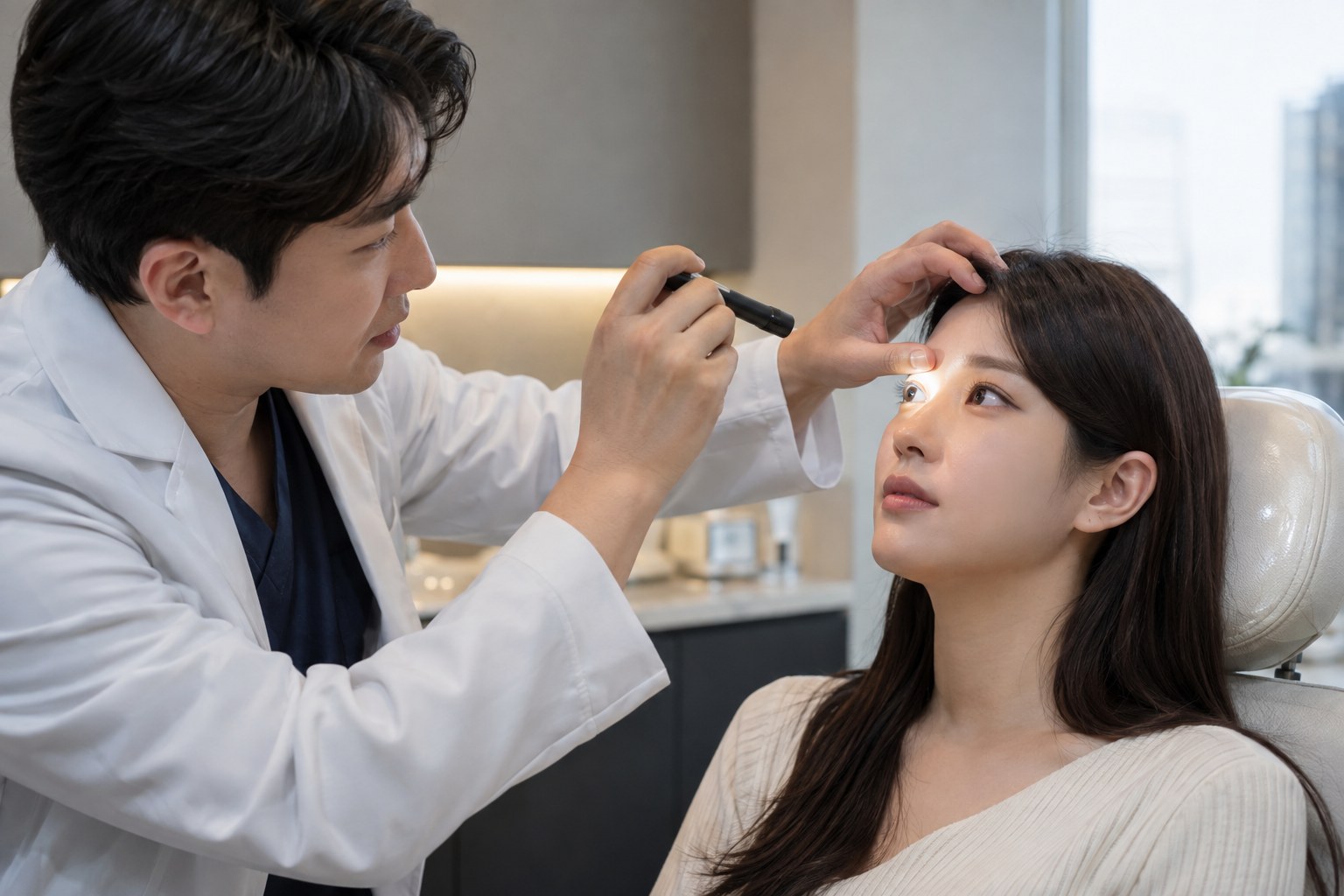
CUSTOM DESIGN
Precise measurement of opening strength
Too little correction changes nothing; too much creates a startled look. ANSWER measures levator function to grade the ptosis, then plans each eye's correction precisely against a target iris exposure.
- 1Ptosis graded by measured levator function
- 2Each eye corrected individually to the target iris exposure
- 3Incision vs. non-incision suitability judged
ANSWER POINT
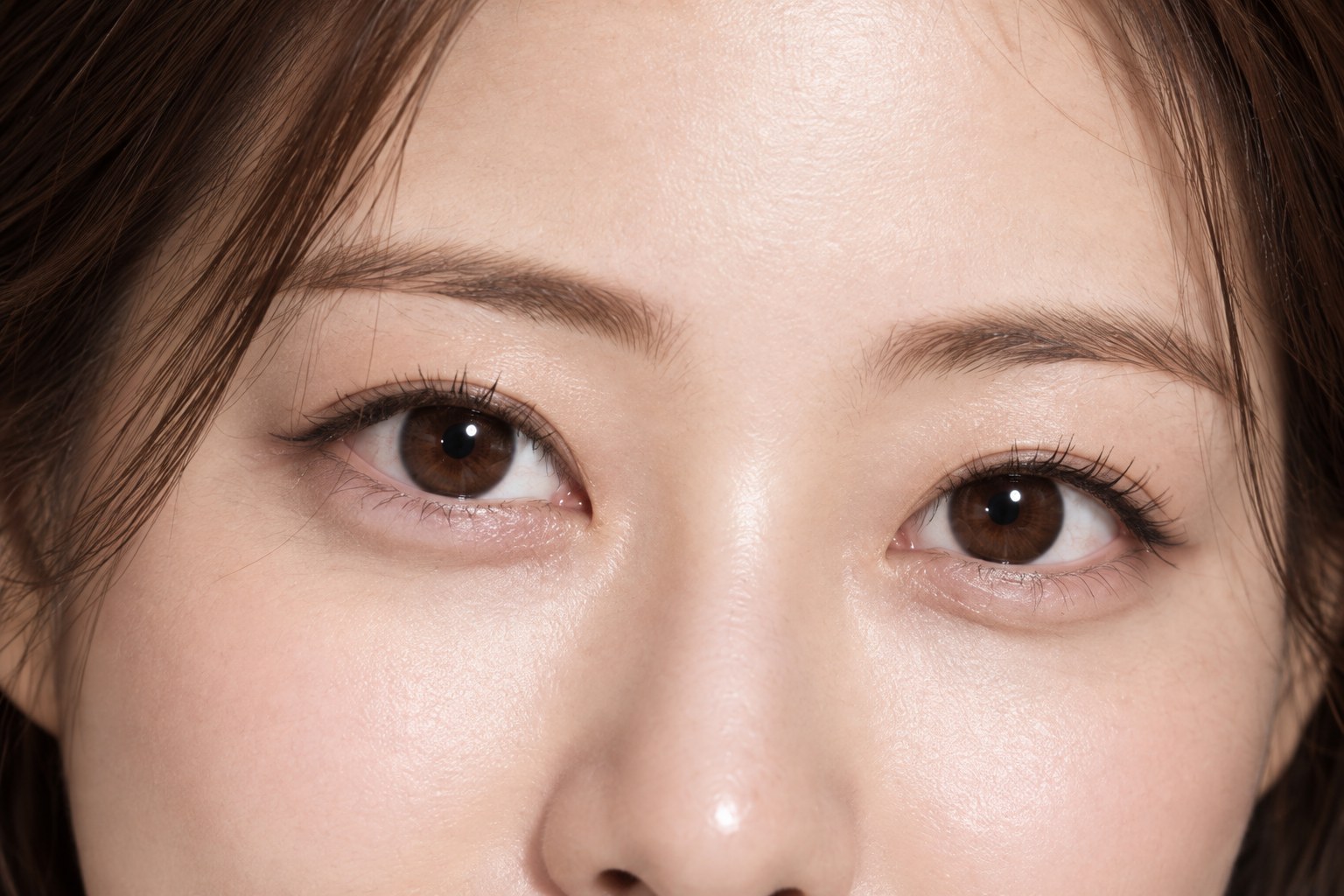
Correction that guards symmetry and naturalness
The quality of ptosis correction is decided by symmetry. ANSWER has you open your eyes during surgery to compare and adjust both sides, and corrects in a muscle-preserving way, aiming to reduce the chance of overcorrection — the startled look and dryness.
- 1Intra-operative eye opening verifies symmetry
- 2Muscle-function-preserving technique
- 3Overcorrection criteria protect a natural look
- 4Can be designed together with double eyelid surgery
ANSWER Ptosis Correction: How It's Done
Consultation & Function Test
Opening strength and ptosis grade are measured and the goal set.
Correction Design
Each eye's correction amount and the incision or non-incision method are decided.
Muscle Correction
The weakened levator structure is tightened to boost opening strength.
Symmetry Check
You open your eyes during surgery so both sides can be compared and adjusted.
Recovery Care
Opening degree and any dryness are monitored through recovery.
Frequently Asked Questions
QHow do double eyelid surgery and ptosis correction differ?
Double eyelid surgery creates a crease; ptosis correction strengthens the eye-opening force itself. If weak opening strength is why you look sleepy, a crease alone will not be enough, and the two are often combined.
QWhat if my eyes end up too wide open?
We plan the correction against a target iris exposure and verify the opening during surgery to avoid overcorrection. The goal is a natural range that never looks startled.
QCan my eyes become dry after surgery?
Right after correction, the eyes may close slightly less or feel dry, which usually improves with recovery. We guide you on artificial tears and follow your progress together.
Ask ANSWER about Ptosis Correction
ANSWER Plastic Surgery 02.6959.4881 | Weekdays AM 10:00 - PM 07:00
The content on this page is provided for medical information purposes. Surgical methods and results may vary depending on individual conditions. All surgery carries the possibility of side effects, so please decide only after a thorough consultation with your doctor.